


How Do Fuel Costs Impact Your Supply Chain?
Fuel prices are one of the few supply chain variables that move weekly and affect nearly everything.
Any article quoting a specific price is out of date by the time you read it. What's worth understanding is the mechanism by which a change at the pump reaches the invoice for a case of gloves, why that takes longer than you'd expect, and what a buyer can actually do about it.
For current prices: the EIA publishes weekly gasoline and diesel price data, broken out by region and state. That's the number to check, not one printed in an article.
Why Fuel Matters More Than It Looks
Fuel is among the highest operating costs for anyone moving freight: trucking companies, ocean carriers, air freight, and rail.
That's a bigger deal for buyers than it first appears, because fuel doesn't just affect the shipping line on your invoice. It affects the cost of every leg a product takes: raw materials to the factory, factory to port, ocean transit, port to warehouse, warehouse to you. A fuel increase compounds across all of them before the product reaches your dock.
The EIA notes that crude oil accounts for roughly half of what you pay for a gallon of gasoline at retail. That ratio is why oil price movements translate so directly into freight costs.
How Fuel Costs Reach a Buyer
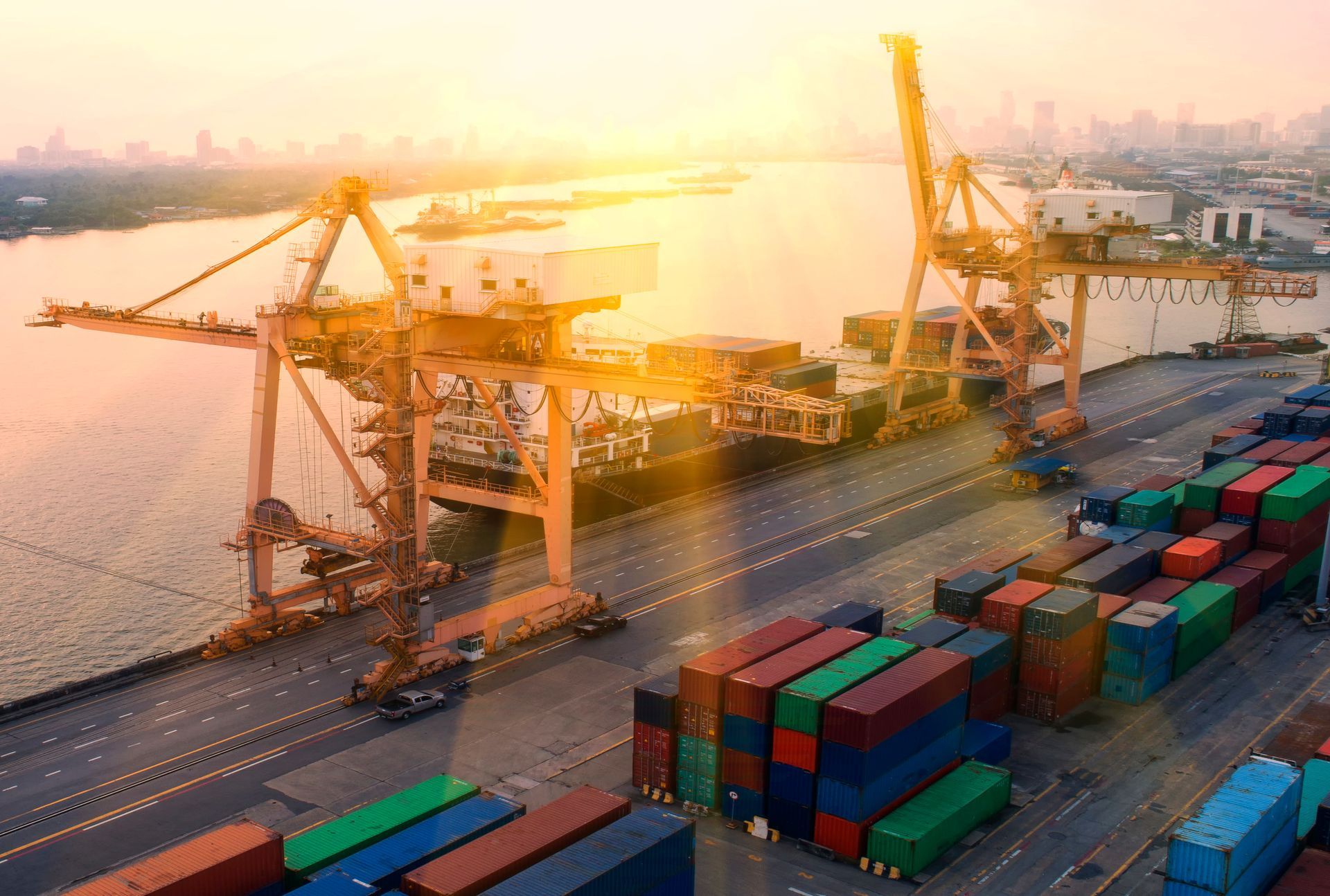
Three mechanisms, each behaving differently.
Fuel Surcharges
The most visible. Carriers add a surcharge that adjusts with fuel prices, often on a published index, so increases pass through relatively quickly and transparently. If your freight invoices are itemized, this is the line that moves.
Built Into Product Pricing
Less visible and slower. When a manufacturer's inbound costs rise, that eventually shows up in unit price but on a lag, often a quarter or more, and usually without being labeled as fuel.
This is why a fuel spike can feel like it's passed by the time prices actually move. The pass-through isn't immediate.
Absorbed, Temporarily
Suppliers and carriers sometimes absorb part of an increase to hold a price point or protect a relationship. That's real, and it's also temporary; sustained increases get passed along eventually.
Why the Effect Lags
A useful thing to understand: fuel prices are volatile, but landed costs are sticky.
Contracts get renegotiated on a schedule, not in real time. Manufacturers hold inventory purchased at older costs. Carriers adjust surcharges on indexes that trail spot prices. Distributors price from what they paid, not what replacement would cost today.
The practical consequence is that when fuel prices spike, your costs rise later, and when they fall, your costs come down later too. Budgeting from current fuel prices misses the timing in both directions.
What Else Moves Freight Costs

Fuel is one input among several, and it's rarely the only one moving:
Capacity. When carrier or container capacity tightens, rates rise regardless of fuel. Competition for limited space can move prices faster than fuel ever does.
Route disruption. Canal restrictions, regional instability, and port congestion force rerouting, which adds both distance and time and cost on both counts.
Labor. Driver availability, port labor, and warehouse staffing all feed into what moving freight costs.
Demand cycles. Peak shipping seasons tighten capacity on their own schedule, independent of anything happening with fuel.
When freight costs move sharply, fuel is often a contributor rather than the whole story. We covered the broader picture in [shipping and logistics challenges in today's economy →].
What Buyers Can Actually Do
None of this is controllable from a purchasing desk. These things are.
Ask how your supplier handles fuel increases. Surcharge, built into price, or absorbed, and with how much notice. Knowing the mechanism tells you what to expect when prices move.
Compare landed cost, not unit price. Freight is part of what an order costs. Two suppliers with the same unit price can differ meaningfully once shipping is included.
Consolidate shipments where you can. Fewer, larger deliveries generally cost less per unit to move than many small ones one of the practical advantages covered in [wholesale distributor vs. buying direct →].
Source closer where it makes sense. Shorter distances mean less fuel exposure. It won't apply to every category, but it's worth knowing which of your products travel furthest.
Don't overreact to a spike. Because of the lag, a fuel increase this month may not reach your costs for a quarter and may reverse before it does. Sustained trends matter; single movements usually don't.
How We Fit

CHA Supply is a distributor, not a logistics company. We don't optimize anyone's freight or manage transportation strategy.
We hold inventory and ship from it, which means the fuel exposure on your order is domestic delivery rather than a full international journey you're absorbing directly. Consolidating categories into one order also reduces the number of shipments involved.
As a woman-owned, WBENC-certified business, we also help institutional and government buyers meet supplier diversity requirements.
The Takeaway
Fuel costs are real, volatile, and largely outside your control. What's within your control is understanding how they reach you, how long that takes, and which of your sourcing decisions increase or reduce your exposure.
Check current prices at the source. Budget from trends, not spikes. And know how your suppliers handle it before it becomes a conversation.
Want to talk through your sourcing mix? Contact our team at support@chasupply.com or (984) 204-1637 x17.


Leave a comment