


Navigating Logistics Challenges: Logistics and Shipping Issues in Today's Economy
Getting product from a manufacturer to a loading dock involves more moving parts than most people outside the process realize. When it works, nobody notices. When it doesn't, the delay lands on whoever was counting on the delivery.
Over the past several years, we've watched the same pressures hit repeatedly here at CHA:
- Inflation driving up both goods and shipping costs
- International shipping delays, first from the pandemic and since from other causes
- Geopolitical tensions rerouting trade lanes
- Shifting regulations and compliance requirements
- Labor shortages across warehousing and transport
The list keeps going. But one thing holds steady: disruption isn't an exception anymore. It's a recurring condition. Here's what's driving it, and what actually helps.
Understanding the Current Logistics Landscape
Knowing where your product is, and when it's actually arriving, has gone from a nice-to-have to a basic requirement. Here's what's been shaping that over the past few years.
How the 2020 Pandemic Reshaped Global Trade
The pandemic gets described as the event that broke global shipping. It's closer to saying it exposed what was already fragile.
Most of the weak points that surfaced in 2020 existed before it: thin supplier relationships with no backup, transport networks running at capacity with no slack, businesses without the financial cushion to absorb a bad quarter, and products sourced from a single region with no alternative.
None of that was new. The pandemic just removed the margin that had been hiding it.
What's worth understanding is that this pressure is measurable and cyclical. The Federal Reserve Bank of New York tracks it through the Global Supply Chain Pressure Index, which pulls transportation and manufacturing data into a single monthly reading.
It spiked to record levels in 2021, eased substantially afterward, and has moved with conditions since, which is the real lesson. Supply chain pressure isn't a crisis that ends. It's a condition that rises and falls, and the businesses that handle it well are the ones that planned for the next rise rather than reacting to the last one.
Before 2020, sourcing decisions were driven mostly by cost and efficiency. Those still matter. But the operations that came through in the best shape were the ones that had traded a little efficiency for resilience before they needed it.
The Domino Effect of Delayed Shipments
One delayed shipment rarely stays one delayed shipment. It pushes the next order back, forces a substitution nobody planned for, and occupies someone's whole afternoon.
The tactics that reduce that risk are unglamorous but effective:
- Carrying more inventory on the items you genuinely can't run short of
- Sourcing across multiple manufacturers instead of depending on one
- Knowing where an order is without having to call and ask

Economic Factors Influencing Shipping and Logistics
Inflation
Inflation moves through sourcing in stages. It raises the cost of raw materials, then parts, then finished goods, and each step tends to pass the increase along rather than absorb it.
It also shifts demand. As prices rise, buying patterns change, which makes forecasting harder exactly when accurate forecasting matters most.
Transportation
Transportation costs track fuel prices and operating expenses, and inflation hits both:
- Fuel costs rise across road, air, sea, and rail
- Maintenance for vehicles, equipment, and facilities gets more expensive
- Carriers face pressure to raise rates or add surcharges
Some of that shows up as renegotiated contracts. Some of it shows up as fuel surcharges on an invoice that used to be predictable.
Warehousing and Handling
The costs between the manufacturer and your door warehousing, inventory handling, packaging, distribution face the same pressure:
- Labor shortages push wages up
- Technology and compliance costs increase
- Facility expenses rise
Providers absorb what they can and pass along the rest.
Effects on Logistics Services
Logistics services include warehousing, inventory management, packaging, and distribution. Each of these is affected by inflation:
- Labor shortages drive up wages to meet rising living costs
- Costs for technology adoption and regulatory compliance rise
- Facility maintenance expenses increase
Logistics providers must adjust pricing while maintaining a positive customer experience.
Geopolitical Pressure on Trade Routes
Trade routes are increasingly shaped by conditions that have nothing to do with shipping.
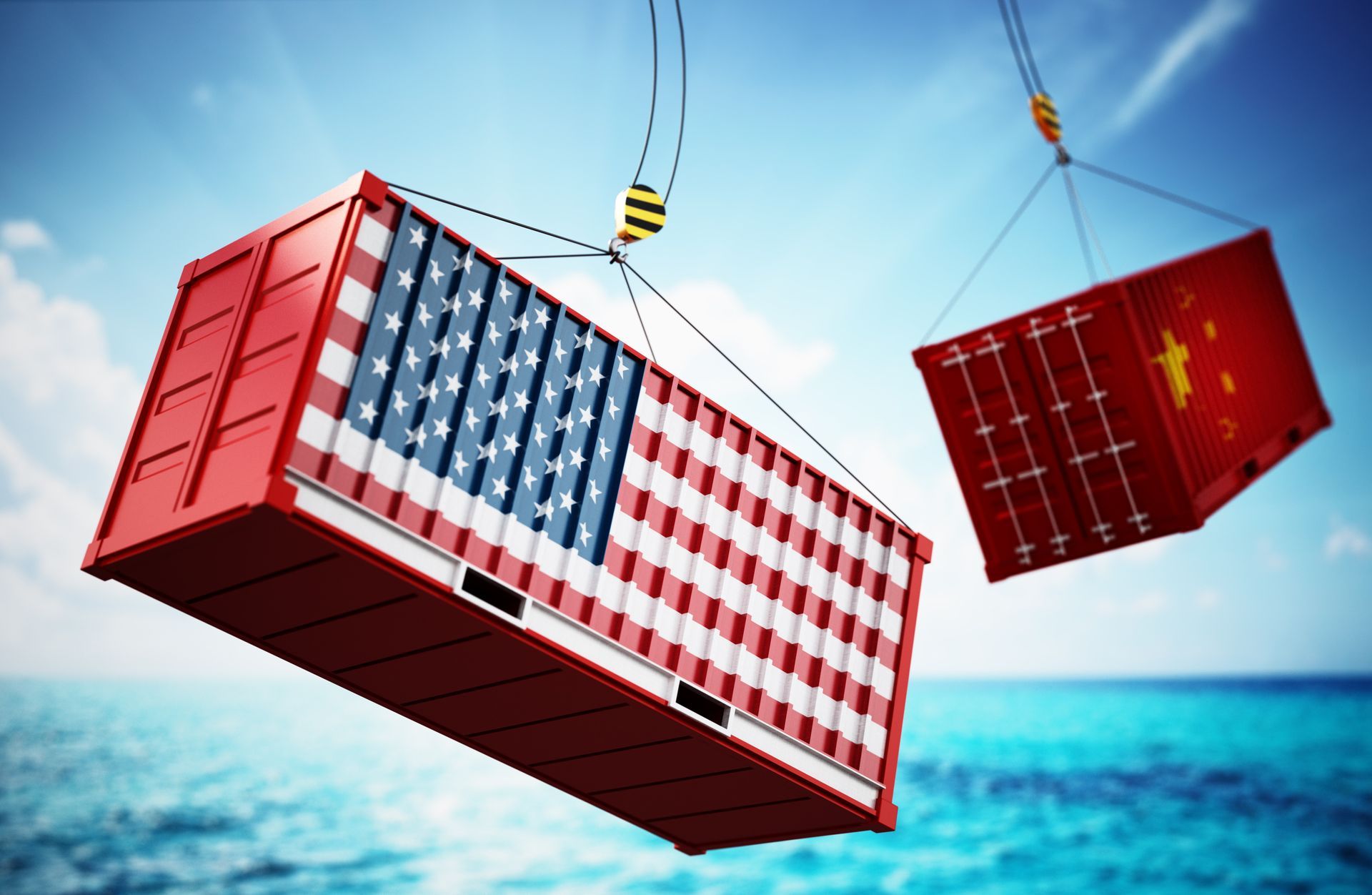
South China Sea disputes affect timing on some of the busiest lanes in global trade. Middle East instability affects oil transport, which affects fuel costs, which affects the price of moving anything anywhere.
For a buyer, the practical consequence is simple: lead times on internationally sourced goods are less predictable than they used to be, and a supplier who can reroute or source elsewhere is worth more than one who can't.
Preparing for the Next Disruption
There's no version of this where disruption stops. The question is whether it costs you a bad week or a bad quarter.
Carry depth where it matters. Not everything needs a buffer — but the items you genuinely can't operate without deserve one.
Don't depend on a single source. Diversified sourcing is the difference between a delay and a stockout.
Know where your orders are. Visibility doesn't prevent delays. It does let you respond to one before it becomes someone else's problem.
Vet suppliers before you need them. The middle of a disruption is the worst possible time to find out whether a new vendor can actually deliver.
The Main Takeaway
The past several years reshaped how sourcing works: higher costs, longer and less predictable lead times, and a steady reminder that resilience is worth paying a little for.
CHA Supply operates as a strategic sourcing supplier with direct manufacturer relationships, including across China and East Asia. That reach is what lets us source across categories and find alternatives when a route closes. As a woman-owned, WBENC-certified business, we also help institutional and government buyers meet supplier diversity requirements without adding another vendor to manage.
Want to talk through what your team orders and where you're exposed? Contact our team at support@chasupply.com or (984) 204-1637 x17 — or [browse the full catalog →].


Leave a comment