


Navigating PPE and Mental Health: A Call for Empathy in Healthcare
THE HUMAN EXPERIENCE IN THE ER
During the pandemic, the emergency room became a place where health protocols and individual stress collided.
Picture this: a woman, gripped by chest pains and struggling to breathe, hesitates at the entrance, debating whether to enter with a mask a symbol of protection to medical staff, but a symbol of constraint and lost control to her.
Her dilemma may seem dramatic to some, but it is deeply complex to her as a woman diagnosed with panic disorder. Her lived experience highlights the psychological distress that can arise when patient safety measures conflict with personal mental health conditions.
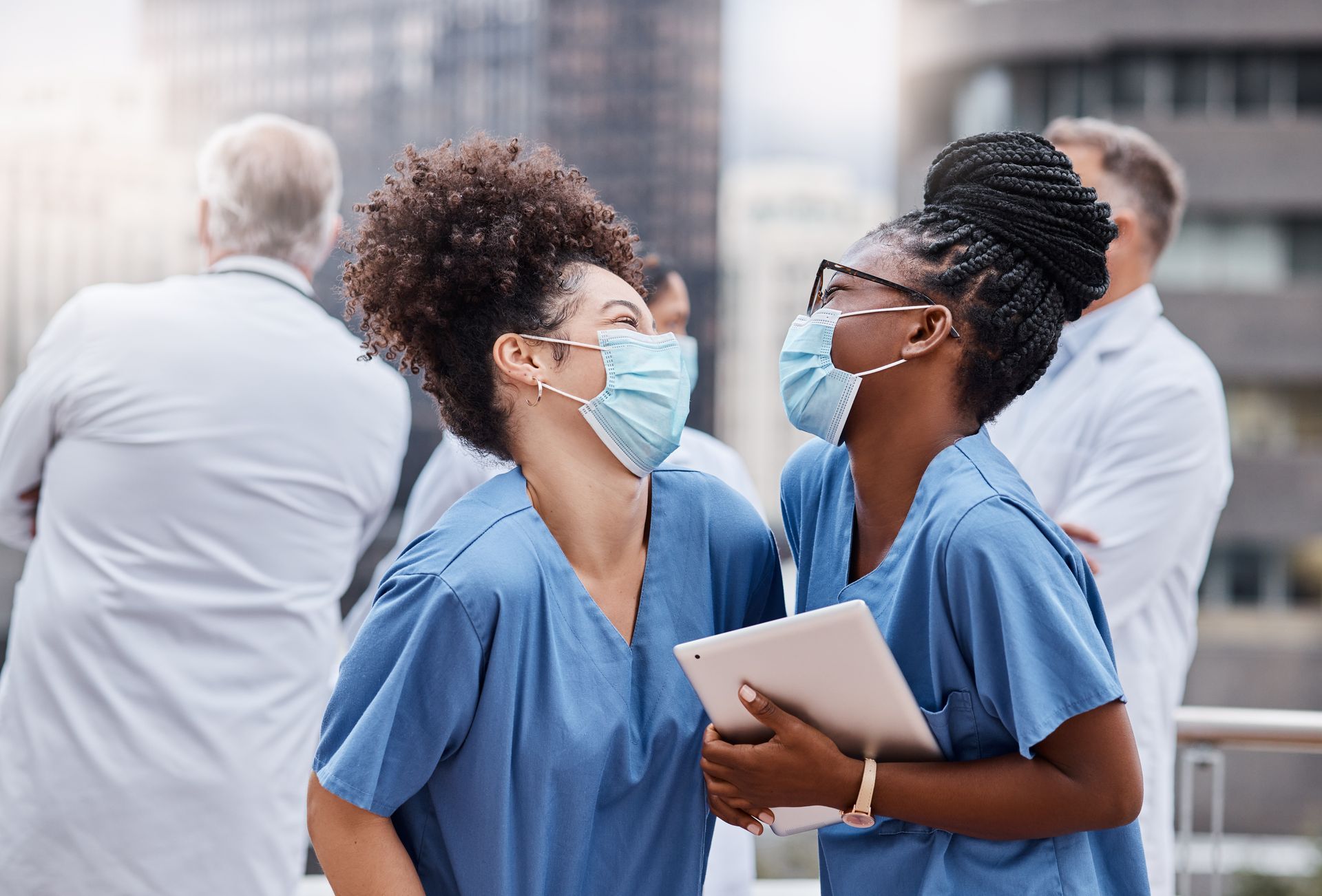
The patient reluctantly wears her mask as the nurse takes her back to the exam room. Unbeknownst to her, the nurse she encounters bears her own burdens: her head aching from hours of PPE use without breaks, navigating her own anxieties, and striving to safeguard both patients and loved ones at home.
In this charged atmosphere, perspectives clash, each carrying a weight of concerns that impact the healthcare workforce.
This tension between personal choice and mandated safety measures is one that many patients and healthcare professionals face daily. And the constant strain can lead to compassion fatigue for both parties, at a time when mental healthcare support is needed more than ever.

PERSPECTIVE OF PATIENTS/CONSUMERS
For many, wearing PPE in private settings allows an escape route when a break is needed. In the rigid confines of a medical setting, the stakes are higher. When discomfort begins, the ability to seek relief can feel urgent.
Finding a place to remove PPE and take a moment is not always possible. The pressure to comply with protocols can amplify distress, especially for those prone to panic attacks or grappling with underlying mental health conditions.
UNDERSTANDING PANIC ATTACKS AND EMOTIONAL DISTRESS
Panic attacks, with their sudden and intense onset of anxiety, can leave people feeling trapped, breathless, and out of control. Wearing PPE can intensify these symptoms, particularly for those with pre-existing mental health conditions or medical concerns affecting airflow.
For some, past trauma further complicates the experience. Mental healthcare still carries stigma, which is why many people avoid these conversations altogether. But the need to have them is real; psychological support isn't only for those with a diagnosis.
Long before COVID-19, the United States was already facing widespread loneliness. The need for peer support and mental health care was there all along; the pandemic deepened distress that many people were already carrying.
Fortune highlights a study published in PLOS Medicine finding that the health impact of loneliness is comparable to smoking up to 15 cigarettes a day.
So how do we address it? Mental health services aren't always available, and treatment is never one-size-fits-all.
But by fostering emotional intelligence, compassion, and empathy in our daily lives, we can build a more supportive environment and a more resilient one.

THE PERSPECTIVE OF MEDICAL STAFF AND THEIR MENTAL HEALTH
The role of healthcare professionals is rooted in patient care, but behind that professionalism, clinicians wrestle with their own challenges.
Extended hours in PPE can cause physical discomfort, aggravate existing trauma, and contribute to psychological distress. The loss of nonverbal communication can also foster isolation among colleagues, making it harder for a care team to support one another.
Healthcare providers are people too. Even in a clinical setting, social support is essential to maintaining well-being across the healthcare workforce.
NIOSH research on health worker well-being points to the same conclusion: the pressures clinicians face are systemic, not individual, and addressing them takes more than telling people to take care of themselves.
PRIORITIZE MENTAL HEALTH AND A SUPPORTIVE ENVIRONMENT
Given these challenges, proactive measures matter. From advocating for well-fitting PPE to fostering a culture of open dialogue, there are steps we can take to ease the toll on mental health.
Regular breaks, accommodation for individual needs, and room for human connection are vital to safeguarding the wellbeing of both patients and providers.
Regular breaks, accommodation for individual needs, and room for human connection are vital to safeguarding the wellbeing of both patients and providers. NIOSH's guide to improving healthcare worker wellbeing lays out practical steps facilities can take.
A PATH FORWARD THROUGH COMPASSION
While pandemics eventually recede, their impact stays with us. As we navigate what comes next, empathy is worth holding onto. Recognizing the full impact of PPE on mental health and building policies that accommodate the range of people affected by it is part of that.
Some patients delay care they need to avoid discomfort that could have been eased by a little emotional intelligence. In the balance between safety and compassion lies the essence of healing.
As we work toward resilience, let's answer the call to empathy not only for today's challenges, but for tomorrow's unknowns.


Leave a comment