


Flu A, Flu B, or COVID-19: How to Tell the Difference
Fever, cough, body aches, fatigue. By the time symptoms show up, they look remarkably similar, which makes the obvious question hard to answer: Is this Flu A, Flu B, or COVID-19?
The short answer is that you can't tell from symptoms alone. The CDC is direct about this: the overlap is too significant, and the only reliable way to know is to test.
That matters more than it might seem, because what you do next depends on the answer.
Understanding the Differences

Flu A vs. Flu B
Flu A and Flu B are the two main strains of influenza that circulate each year, typically peaking in colder months. They share most symptoms: fever, sore throat, chills, body aches, and fatigue, but differ in scale:
- Flu A is typically more severe and drives larger outbreaks, including pandemics.
- Flu B tends to be milder and rarely causes widespread epidemics.
Both can make you genuinely ill. How badly depends on the strain and your own health.
COVID-19 and Long COVID
COVID-19 overlaps heavily with flu: fever, fatigue, cough, with one distinguishing symptom- a change in or loss of taste or smell, which the CDC notes is more frequent with COVID-19 than with flu.
The bigger difference is what can follow. Some people recover quickly; others develop Long COVID, with symptoms persisting for weeks, months, or longer after the initial illness. Flu doesn't carry an equivalent risk.
COVID-19 also spreads more easily than flu, and people can remain contagious longer.
Who Faces Higher Risk
Both viruses pose greater risk to some groups than others, including:
- Adults 65 and older
- People who are pregnant
- Infants and young children
- People with underlying conditions such as heart disease or diabetes
- People who are immunocompromised
- Healthcare and essential workers, through higher exposure
Access to care also shapes outcomes. Communities facing barriers to timely testing and treatment tend to see worse results from both viruses, which is part of why at-home testing matters.
Why Identifying the Right Virus Matters

Shop Our Flu A/B & COVID Tests
Treatment Differs
Antiviral treatments for influenza and COVID-19 are not the same, and they work best when started early. Knowing which virus you have lets your healthcare provider recommend the right course and makes that conversation much faster.
This article is general information, not medical advice. Talk to a healthcare provider about symptoms, treatment, and what's right for your situation.
Public Health Guidance Differs
Isolation and return-to-work guidance is generally stricter for COVID-19 than for seasonal flu. Assuming the wrong virus can mean taking the wrong precautions and unknowingly passing it on.
Complications Differ
Flu can lead to pneumonia and secondary infections. COVID-19 carries additional risks, including longer-term effects.
Severity isn't a simple ranking, though. The CDC notes that COVID-19 can cause more severe illness in some people, while flu tends to cause more severe illness in young children than COVID-19. Which virus is more dangerous depends on who has it; another reason a specific answer beats a general assumption.
[Shop Flu A/B and COVID-19 tests →]
Testing Is the Only Way to Know
Rapid antigen tests, PCR tests, and combination tests all distinguish between these viruses. Combination tests are the most practical option when you're trying to answer the question at home, because one test covers all three.
Our 3-in-1 iHealth COVID-19, Flu A, and Flu B test delivers results in 15 minutes, without a doctor's visit, so you know what you're dealing with the same day symptoms start.
[VERIFY BEFORE PUBLISHING: confirm the 15-minute result time and the approved age range against the iHealth product documentation. The original copy said both "ages 2 and up" and "safe for all ages"; these conflict. Use whichever the packaging states, consistently.]
Prevention Still Does the Heavy Lifting
Testing tells you what you have. Prevention reduces how often you need to ask:
✔ Stay current on vaccines — CDC recommends an annual flu vaccine for everyone 6 months and older, ideally by the end of October
✔ Wash hands frequently
✔ Wear a mask in crowded settings during peak respiratory season
✔ Stay home when you're sick the simplest way to protect everyone around you
The Takeaway
Flu A, Flu B, and COVID-19 look alike at the start and diverge in what they require. Treatment differs. Isolation guidance differs. Risk differs depending on who's infected.
You can't tell which one you have by how you feel. You can find out in 15 minutes.
[Shop the 3-in-1 iHealth Test →]
We Have Testing Kits To Help You with Flu & COVID Detection
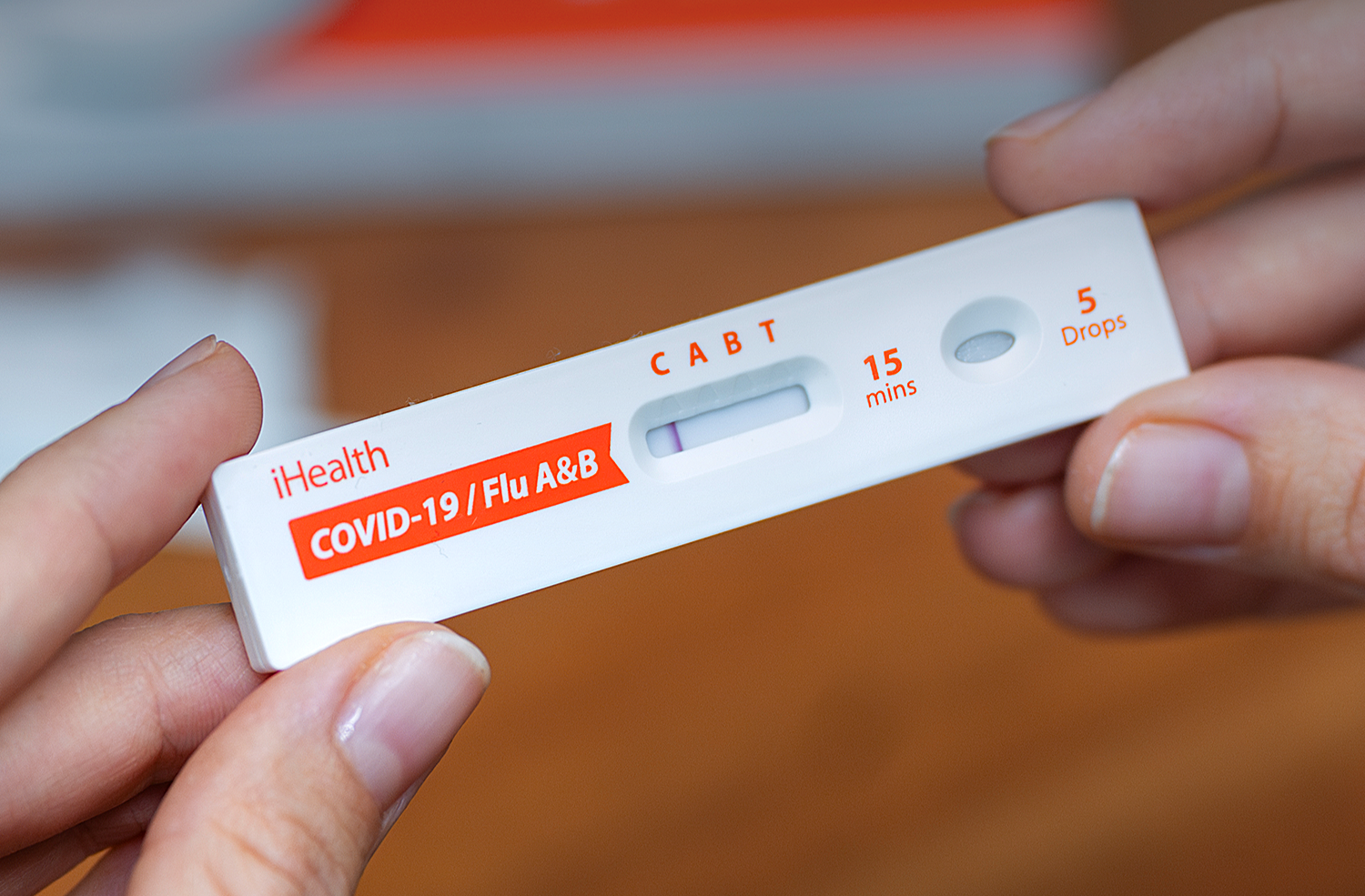
With flu season in full swing and COVID-19 still a concern, knowing which virus you have matters. Early detection leads to faster treatment and prevents further spread.
🛒 Shop Our 3-in-1 iHealth COVID, Flu A, and Flu B Over-The-Counter Test Now!
✅ Fast & Accurate—Results in just 15 minutes
✅ Convenient—Test at home without a doctor’s visit
✅ Safe for all ages—including young children
Stay proactive. Get tested, stay updated on vaccines, and take steps to protect your health this season!
==> Check out our 3-in-1 iHealth COVID, Flu A, and Flu B Over-The-Counter Test Now!


Leave a comment